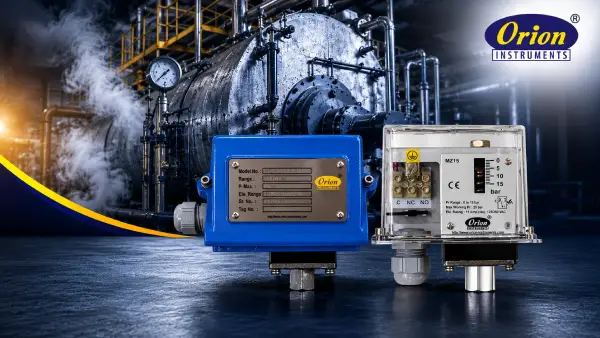
Why Pressure Switches Matter in Industrial Boiler Systems
Industrial boiler systems operate under constant pressure — both literally and operationally.
Across industries such as power generation, pharmaceuticals, chemical processing, textiles, food manufacturing, and process engineering, boilers play a critical role in maintaining continuous operations. In these environments, stable steam pressure is essential not only for efficiency, but also for equipment reliability, process consistency, and plant safety.
Even small pressure fluctuations can create operational challenges.
Unexpected pressure instability may lead to:
- Equipment stress and damage
- Process interruptions
- Energy inefficiencies
- Unplanned downtime
- Unsafe operating conditions
This is why pressure monitoring and automatic response systems are so important in industrial boiler applications — and why pressure switches continue to play a critical role in boiler safety and reliability.
Why Pressure Stability Is Critical
Industrial boilers operate using high-pressure steam under tightly controlled conditions. The generated steam is commonly used for:
- Process heating
- Sterilization
- Manufacturing operations
- Heat exchangers
- Cleaning systems
- Power generation
Because these systems operate continuously under pressure, maintaining stable operating conditions is essential.
Excessive pressure can place unnecessary stress on:
- Steam lines
- Valves
- Burners
- Pumps
- Connected equipment
On the other hand, insufficient pressure can reduce steam efficiency, interrupt production processes, and affect overall plant performance.
The challenge is that many pressure-related issues develop gradually. Small fluctuations often go unnoticed until they begin affecting operations.
This is where pressure switches become essential.
The Role of Pressure Switches in Boiler Systems
Pressure switches continuously monitor pressure conditions within boiler systems and automatically respond when pressure moves outside preset operating limits.
Although compact in size, pressure switches perform several critical safety and operational functions.
Depending on the application, pressure switches may:
- Activate alarms
- Shut down burners
- Trigger safety interlocks
- Start backup systems
- Protect pumps and connected equipment
- Support automated process control
By responding automatically to abnormal pressure conditions, pressure switches help industrial facilities maintain safer and more stable operations.
Common Boiler Applications for Pressure Switches
Steam Line Monitoring
Pressure switches are commonly installed along steam lines to monitor operating pressure.
If pressure rises above or falls below safe limits, the switch can automatically trigger corrective actions such as:
- Alarm activation
- Burner shutdown
- Equipment isolation
- Backup system engagement
This helps prevent unsafe operating conditions while supporting stable steam generation.
Burner Safety Interlocks
In many industrial boilers, pressure switches are integrated into burner management and safety interlock systems.
These switches ensure burners operate only when safe pressure conditions are achieved. If abnormal pressure is detected, the switch can interrupt operation automatically to help protect both equipment and plant personnel.
Feedwater and Pump Protection
Pressure switches are also widely used in feedwater systems and pump protection applications.
A sudden pressure drop may indicate:
- Pump failure
- Leakage
- Flow restrictions
- System blockage
- Mechanical malfunction
By identifying these conditions early, pressure switches help reduce the risk of equipment damage, process interruptions, and unexpected downtime.
Boiler Environments Are Demanding
Industrial boiler systems expose instrumentation to several harsh operating conditions, including:
- High temperatures
- Steam exposure
- Pressure cycling
- Vibration
- Moisture ingress
- Corrosive environments
This is why selecting pressure switches designed specifically for industrial steam service applications is essential for reliable operation.
What to Consider When Selecting a Pressure Switch
Pressure Range
The switch should be selected based on both normal operating pressure and potential upset conditions within the system.
Temperature Compatibility
Industrial boiler systems often operate at elevated temperatures, making thermal resistance and material compatibility important considerations.
Environmental Protection
Outdoor installations or washdown environments may require weatherproof or corrosion-resistant enclosures to maintain long-term reliability.
Reliability Under Pressure Cycling
Frequent pressure fluctuations can increase wear on switching mechanisms over time. Selecting a robust switch design helps improve lifecycle performance and operational stability.
Safety Certifications
Depending on the application, pressure switches may require certifications for hazardous locations, industrial safety systems, or specialized process environments.
The Cost of Poor Pressure Monitoring
Over time, pressure-related issues can contribute to:
- Unplanned shutdowns
- Increased maintenance costs
- Reduced energy efficiency
- Premature equipment wear
- Safety risks
- Production losses
Reliable pressure monitoring helps facilities identify abnormal conditions earlier and respond before minor issues become larger operational problems.
Improving Reliability Through Preventive Maintenance
Maintenance teams should routinely:
- Verify switch actuation points
- Inspect electrical connections
- Check for corrosion or moisture ingress
- Confirm sensing ports remain clean
- Review calibration performance periodically
Preventive maintenance not only improves equipment life but also helps support safer and more reliable plant operations.
Supporting Safer and More Reliable Boiler Operations
Pressure stability plays a direct role in process efficiency, equipment protection, steam quality, operational continuity, and plant safety.
Pressure switches provide an important layer of protection by continuously monitoring system conditions and automatically responding to abnormal pressure levels.
When properly selected and maintained, they help industrial facilities improve operational reliability, minimize downtime, and maintain safer process environments.
To learn more about industrial pressure monitoring solutions and instrumentation applications, connect with the Orion Instruments team for technical guidance and application support.